May 7, 2018
by Elizabeth
Comments Off on The Luci Fancypants Project
Guest Post by Kyra Richter
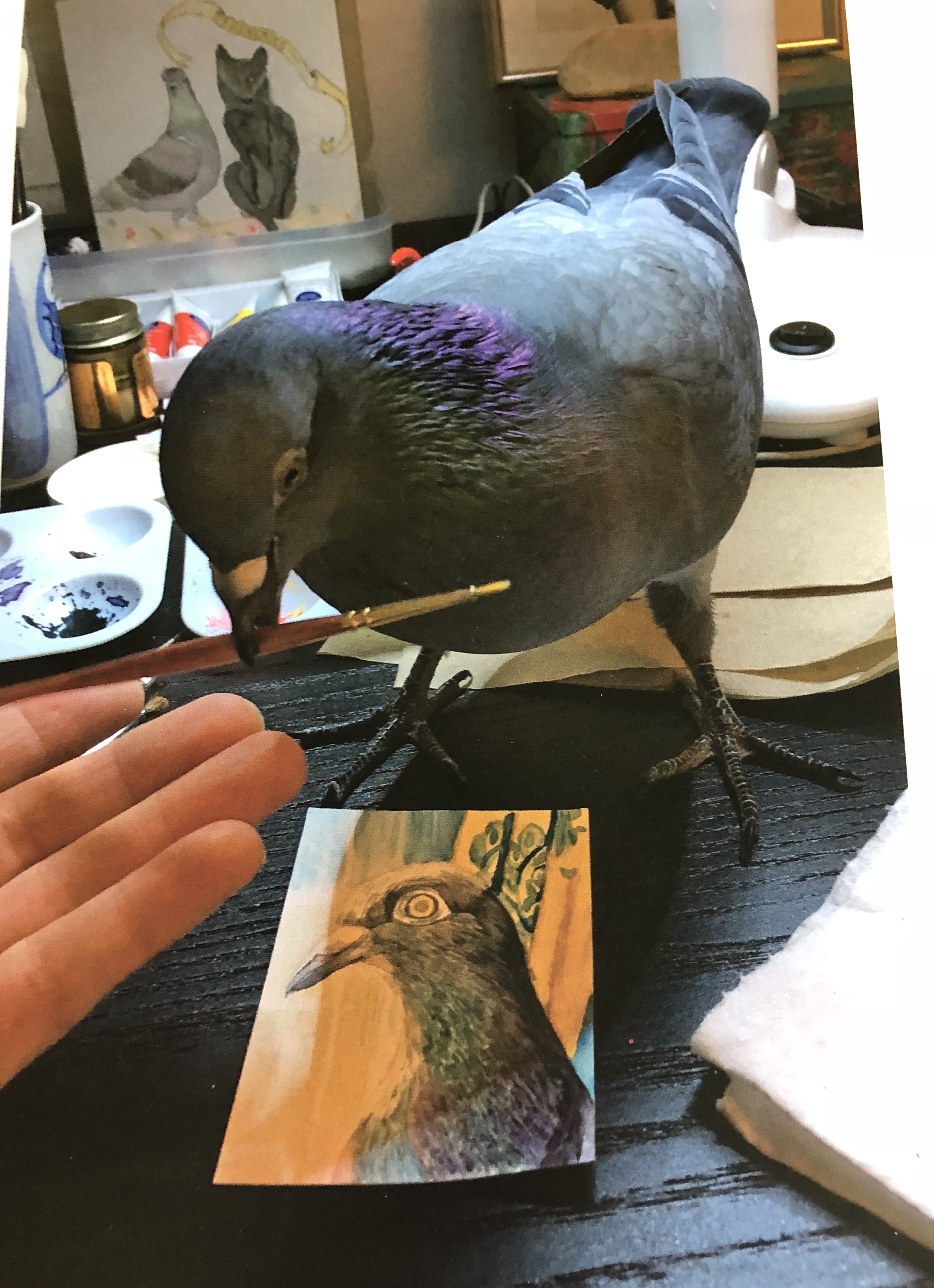
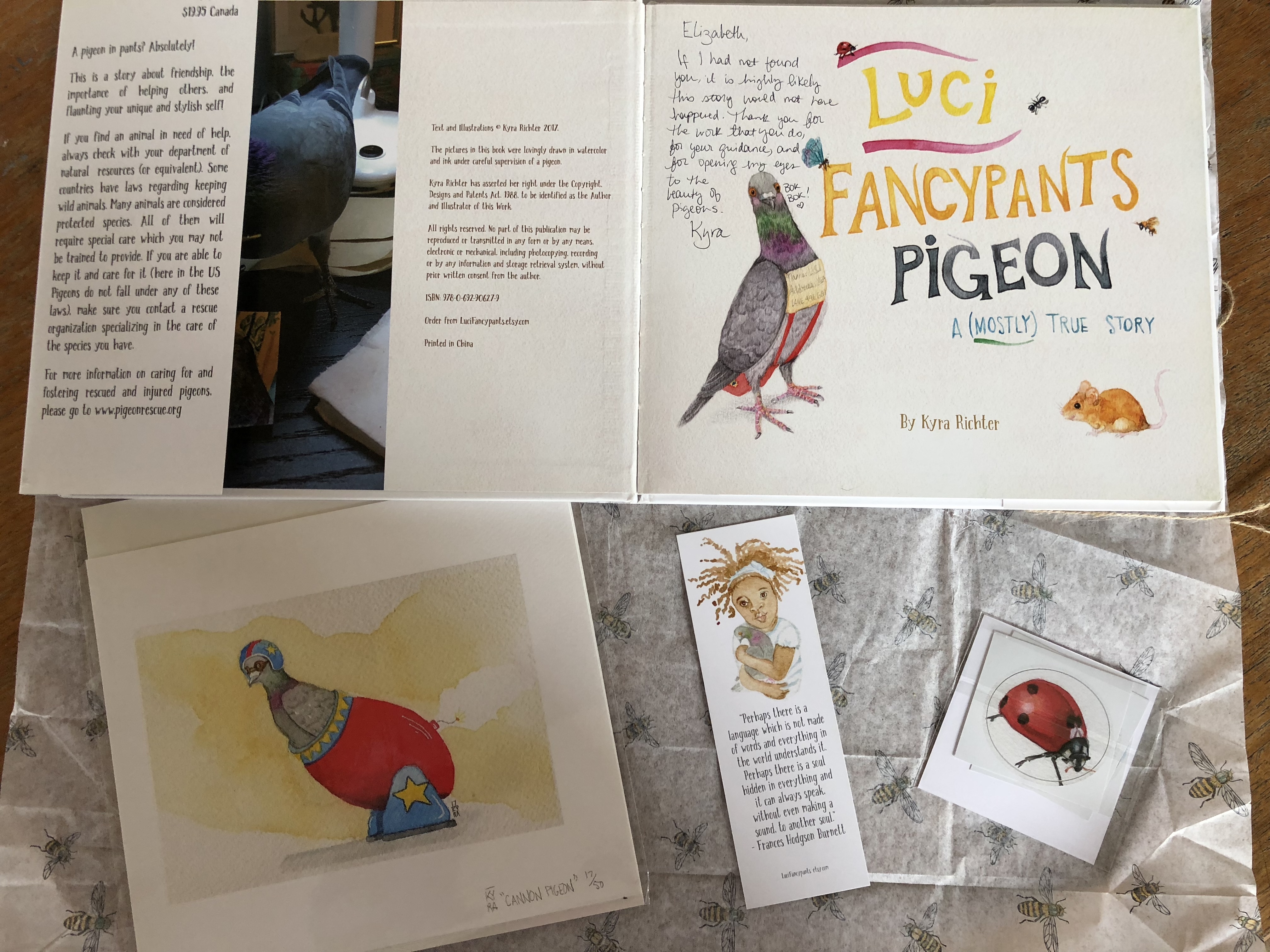
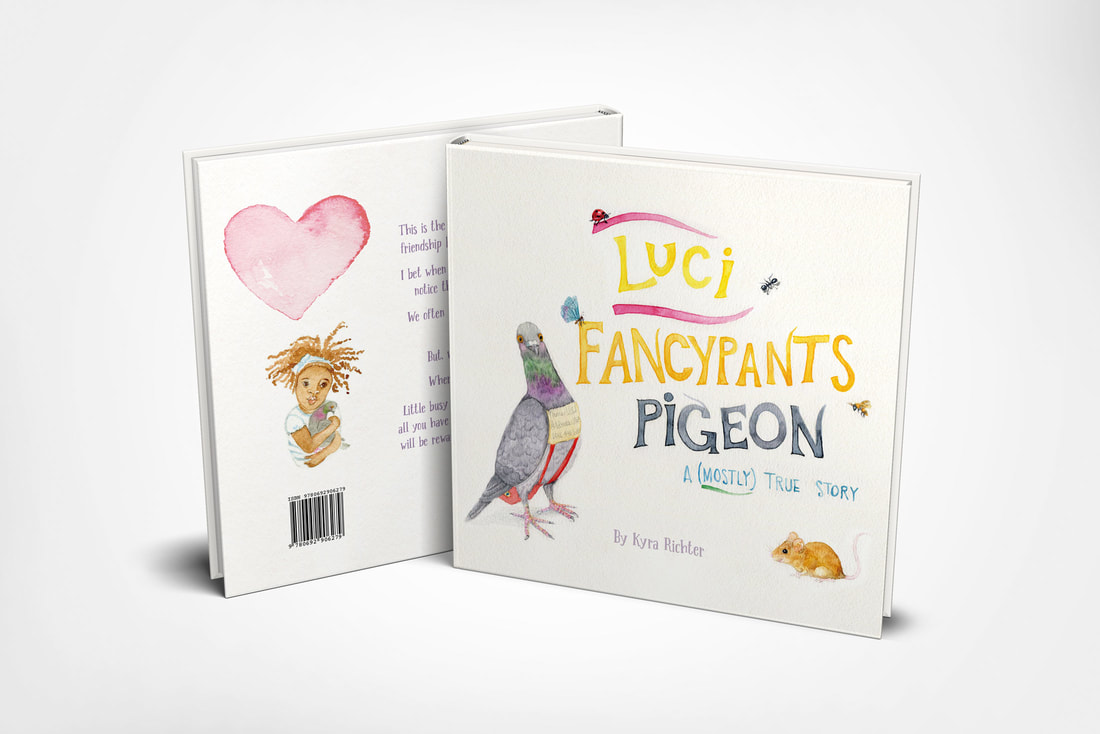
There are no words to express the awe and gratitude I feel for the many people who contributed to the Kickstarter campaign for Luci’s book. They, each and every one of them, helped make what was a passing “you should make a book” comment a reality. I enjoyed every step of the way, and the book project has become a lot more than just a one-time experiment. The whole thing has flourished into “The Luci Fancypants Project” or, The LFP Project; all under the watchful supervision of Luci, of course! The book has sold well considering I have done little to push it due to my busy schedule and full-time job. However, what made this whole thing worthwhile were two things: hearing a friend of a friend tell me that his little girl was asking to be read the Luci story every night (!!!! YAY!!! Happy Dance!) and being able to give back to Palomacy. It may not be much, but it was all possible due to the success of the project and that made me so very happy!
Buy Luci Fancypants Pigeon
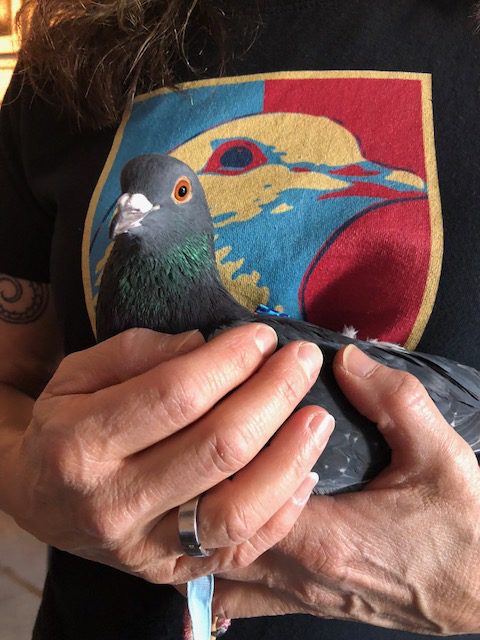
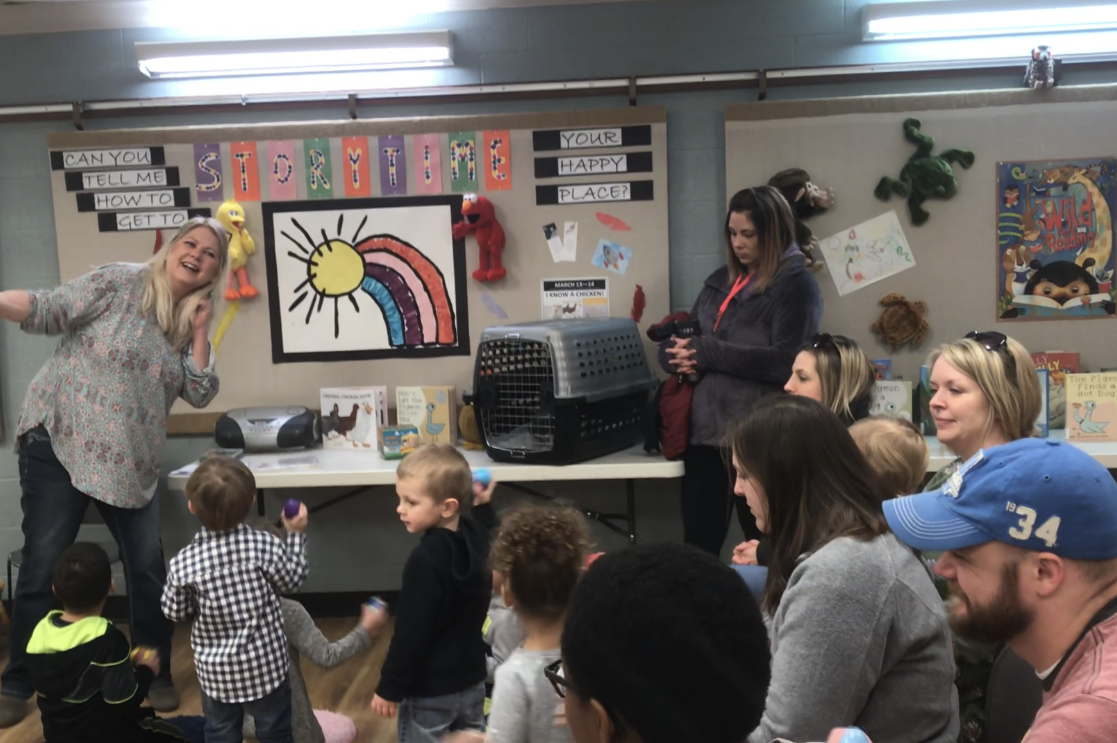
This summer looks to be full of fun and hopefully success. It started this Spring, when I was invited to come do a reading of my book at my local public library after I dropped off a copy. The librarians were so excited about the book, the story, and the fact that Luci is real that they made it a prerequisite that Luci come along for the reading. So off we went, Luci in his best duds, on an evening (and again the next morning!) to the Maud Preston Public Library in St. Joseph, Michigan to perform a reading of the story and do a meet and greet. The theme of the story time event was “I know a Chicken”.
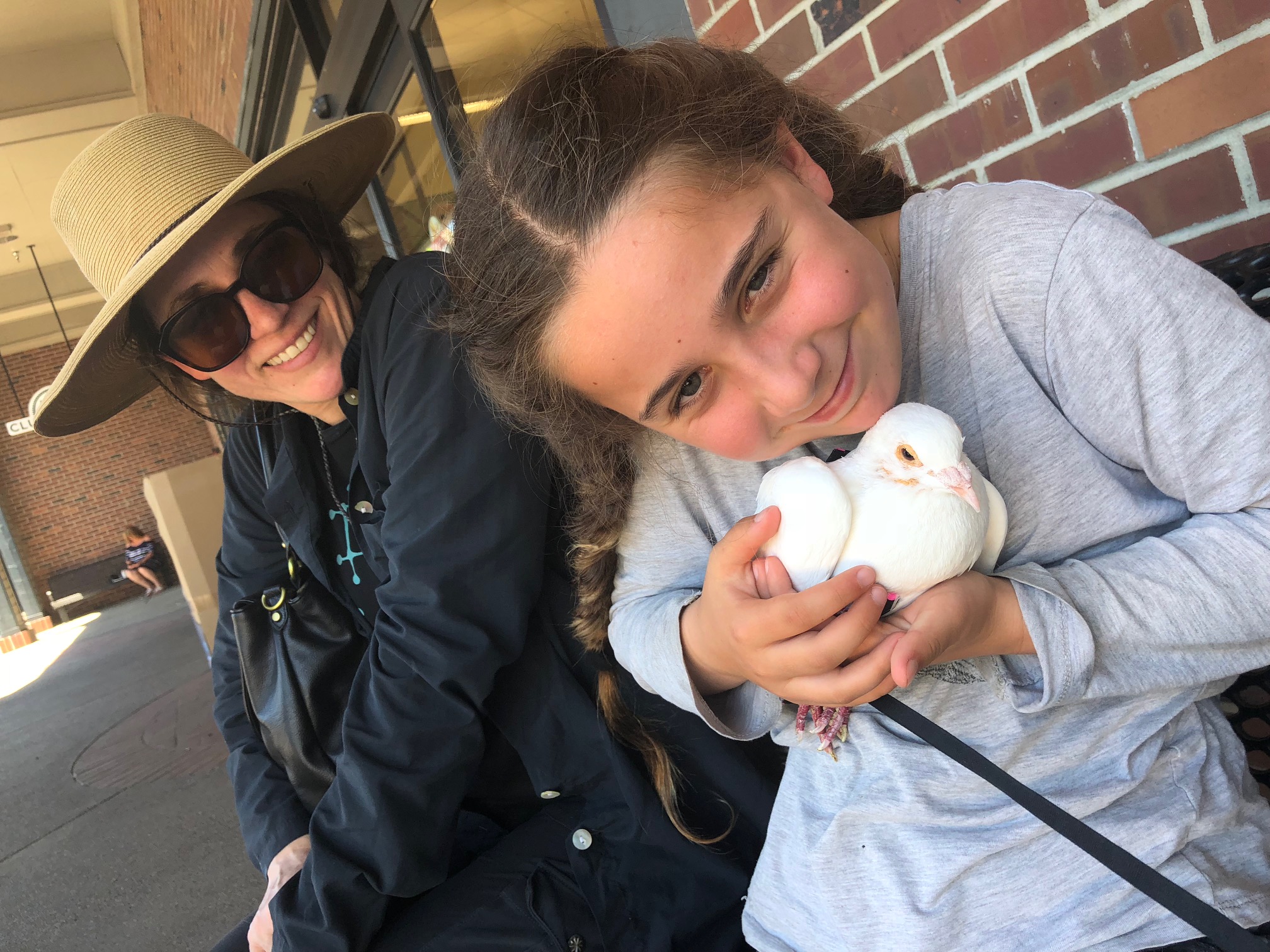
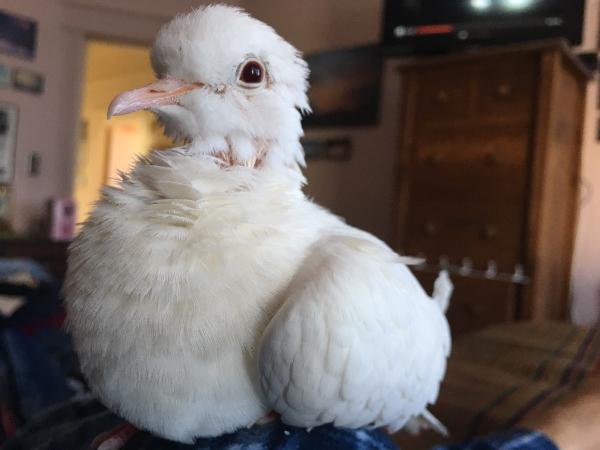
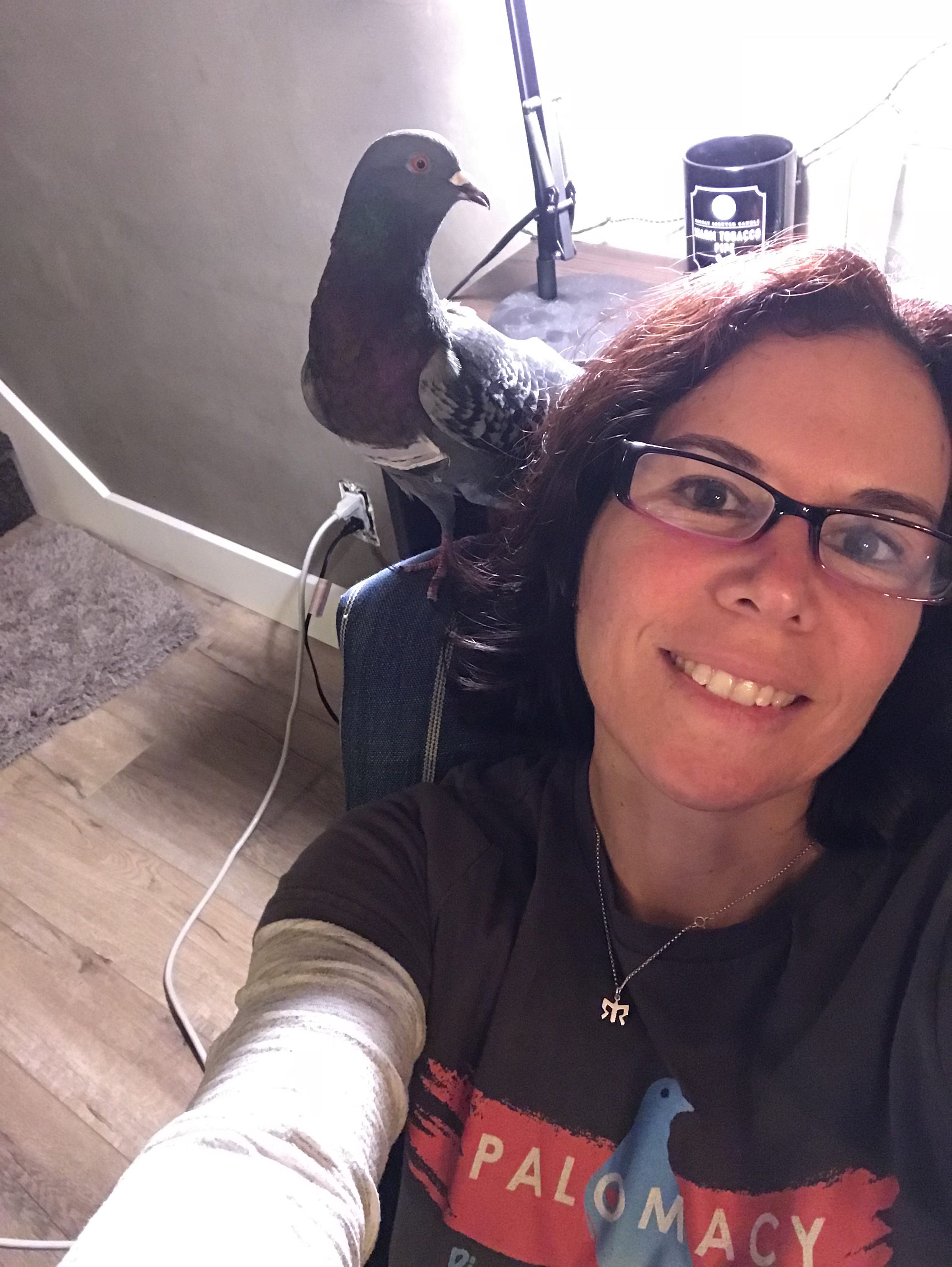
Let me tell you, I was worried about Luci because he is nothing like all the lovely photos and videos people post of their pigeons and doves being happily held in arms and laps, soaking up the caresses and the kisses as they happily close their eyes fluff up and sit still to enjoy caresses. Nope. Not Luci. Luci has always been one feisty little fellow. I am partly to blame because I play with him and engage him in some mini “rough housing” which he absolutely adores. I was worried not so much that he’d maliciously attack, but that he’d lunge and beak someone in an attempt to initiate play and scare some poor child into forever being afraid of pigeons! But if you’re here and you’re reading this blog it’s because you, like everyone who supports Palomacy, know how fantastic these feathered angels are, and what endearing character each and every one of them has. Luci did nothing of the sort, saving his naughty behavior for home and showing off his best behavior!
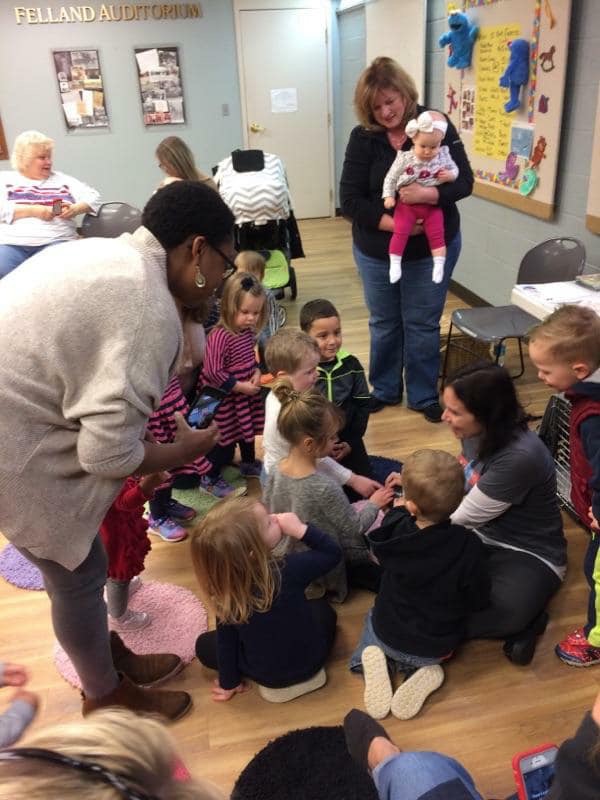
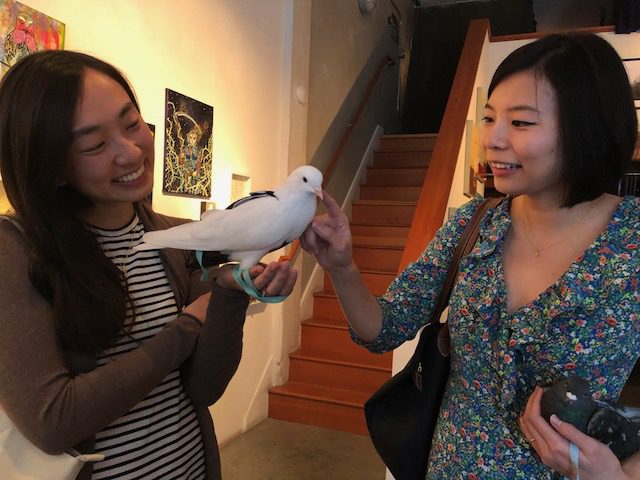
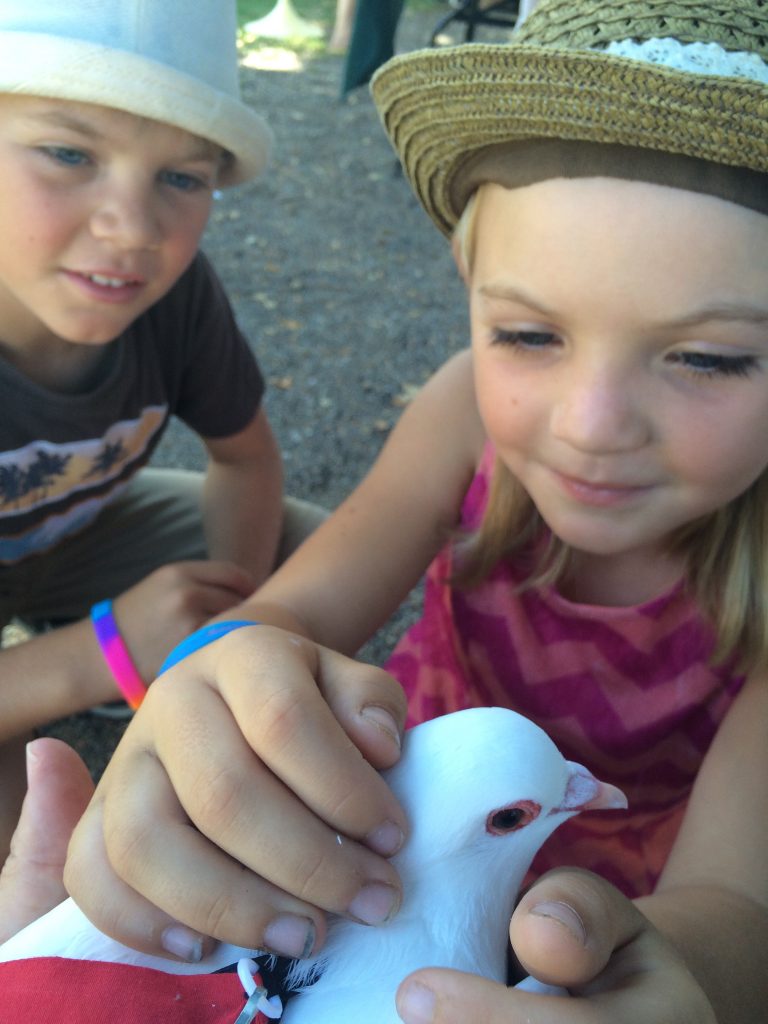
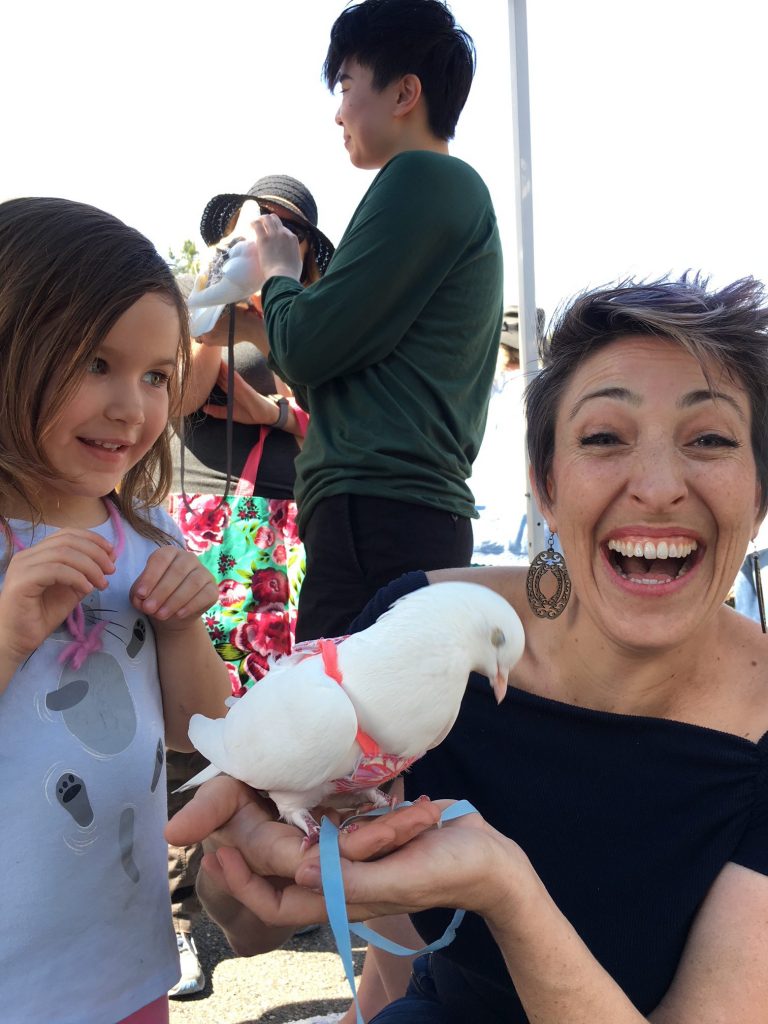
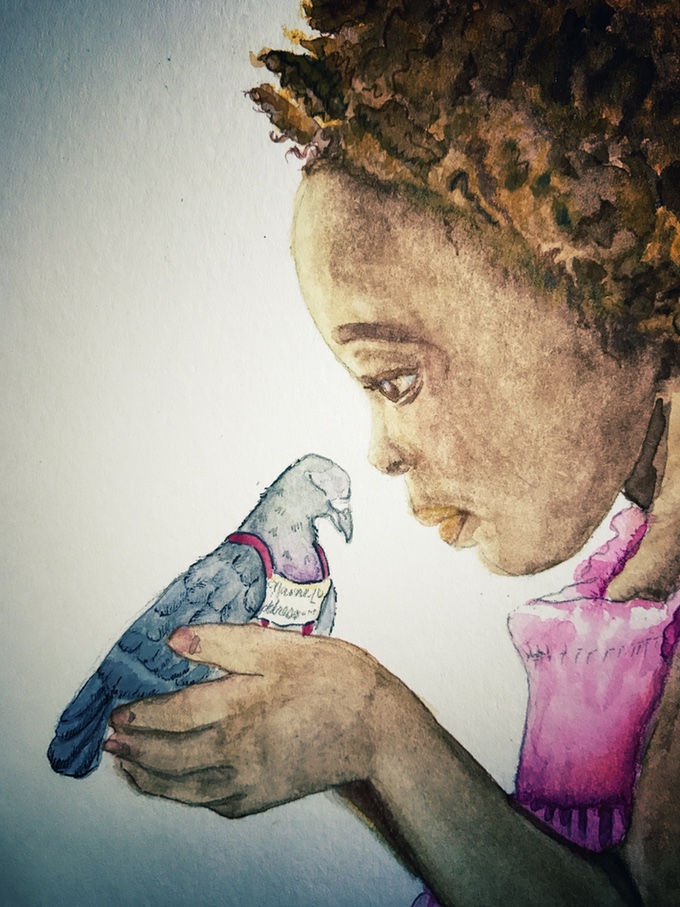
Luci enjoyed being the center as much as the kids loved taking part in story time. They sang songs, sat and listened to Luci’s story, many piping in with their opinions on the friends Luci made during his adventure. And, of course, the highlight of the show was Luci when he came out and strutted about in his pants and on his leash. He let everyone touch him and never once attempted to roughhouse. The children were delighted and Luci was the consummate ambassador. When it was time to sing the “I know a Chicken” song, Luci surprised everyone by cooing to the beat! It was so much fun that Luci was invited for an encore this summer. I am sure that all of those children and at least a few adults went home with a new-found appreciation for pigeons.
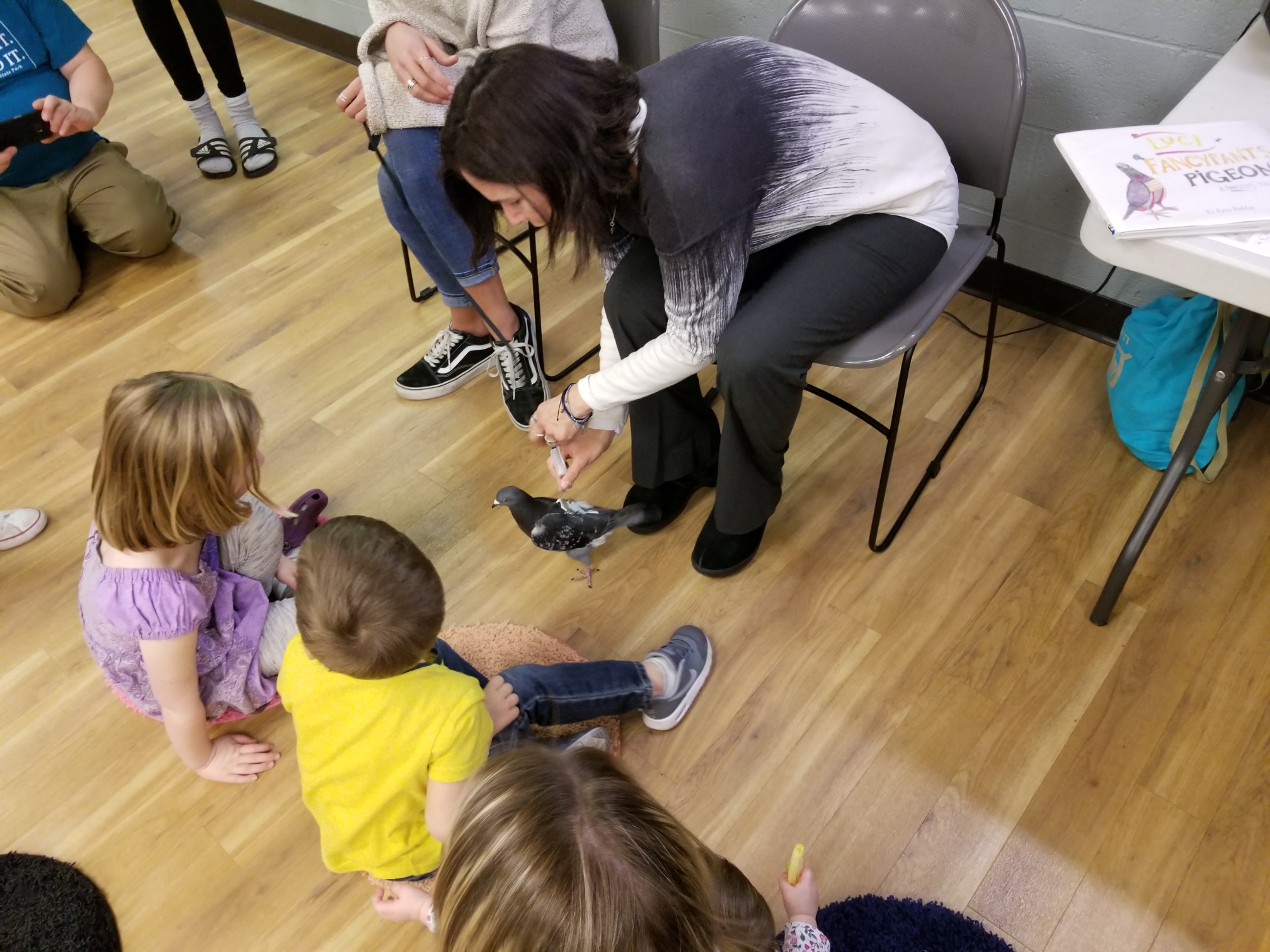
Luci has not just changed his young fans. I have seen the changes in many of my friends, who tell me that they now notice the pigeons. I like to think that is isn’t just a matter of acknowledging them as birds and not pests, but they now can see what pigeons are capable of. If we can get one person to stop seeing an animal as background to be used or ignored and instead see an animal for the unique individual that each and every one of them is; an animal whose life is important and valuable and needs to be respected, then we have made a worthwhile and precious improvement to our planet and or own future on this planet.
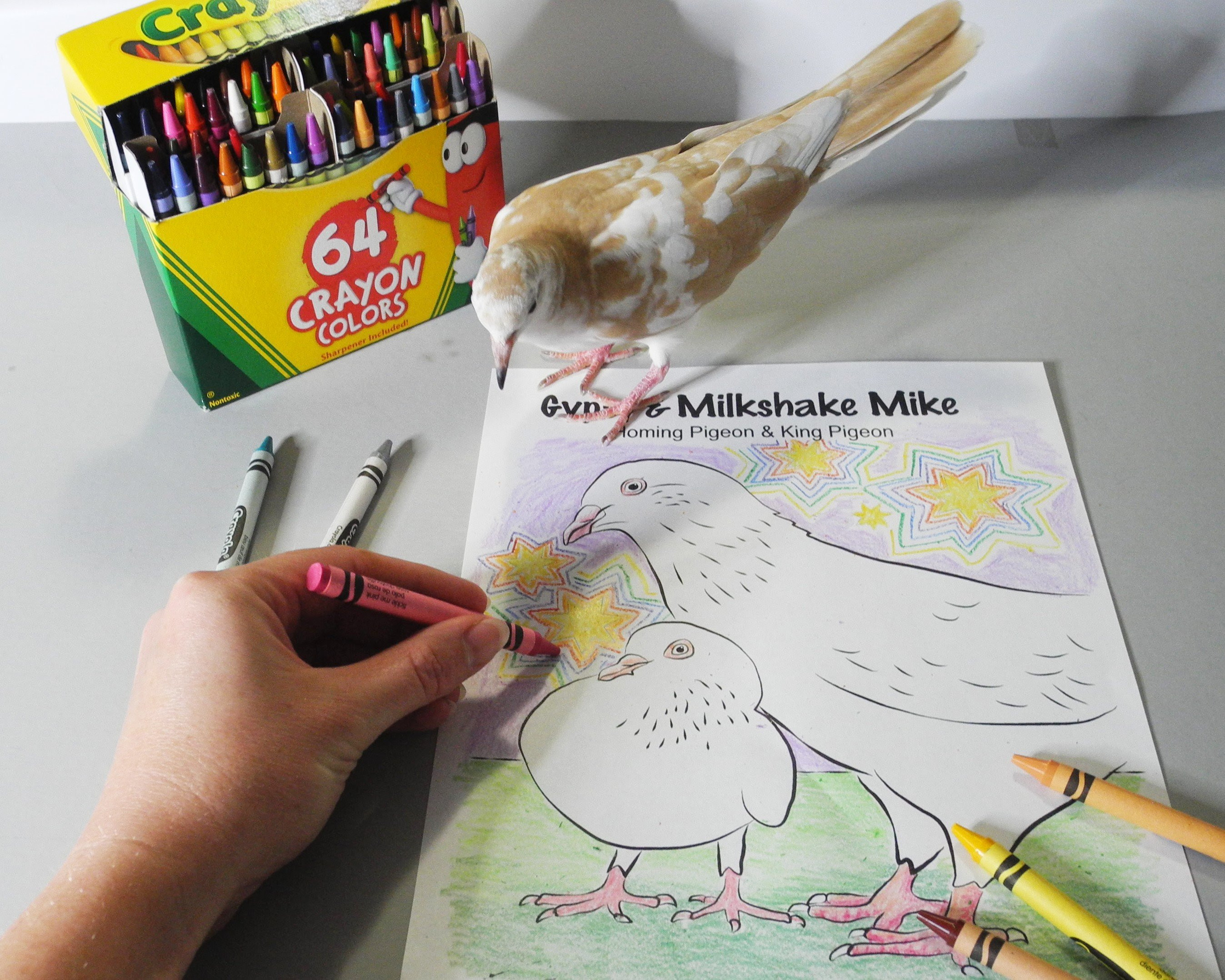
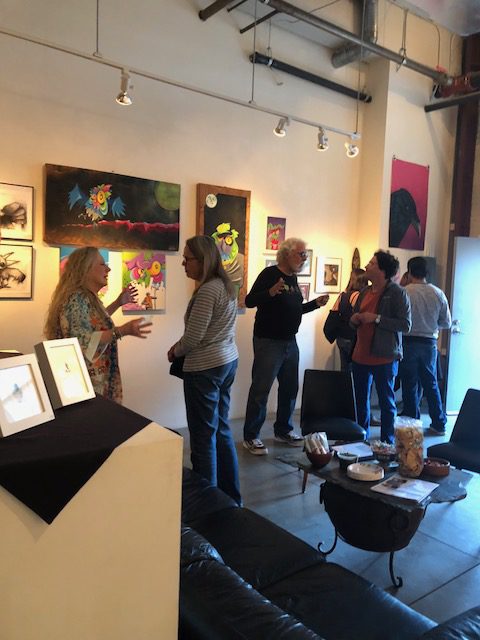
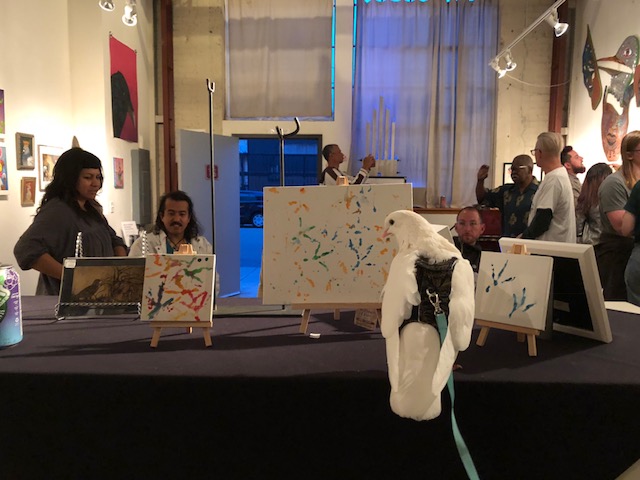
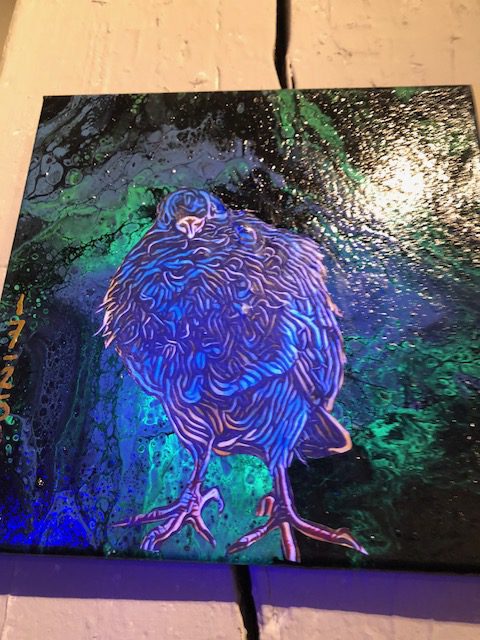
Luci’s project has encouraged me to continue in the one way I can, given the life consuming full-time job I already have, to contribute my little grain of happiness, conservancy and compassion through art. The LFP project has given me a second wind and something to look forward to as I embrace my hobby in a worthwhile and productive way. What began as a one-story project, morphed into “well, if I can sell my art and stories to make enough to pay for my art supplies then all will be perfect” and finally became “let’s see if I can retire early and do this full-time instead!” I have two more stories in the works, both bird themed and each will have a percentage of any profits go to organizations focused on the protection of those birds or their environment. I also have a full summer art fair schedule where Luci and I will have a booth and sell my art prints and (at some fairs only) the book. As always, part of profits of pigeon themed art will always be dedicated to Palomacy.
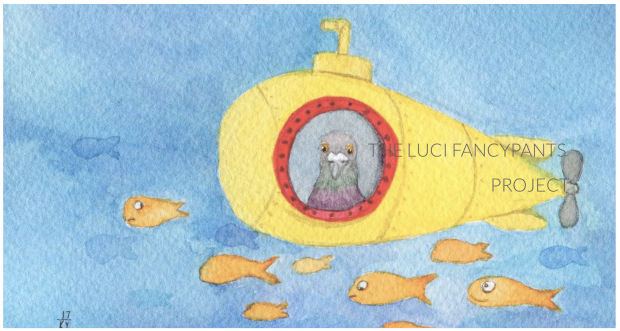
Luci’s rescue and getting to know so many pigeons and other birds in need of our help, has made me even more dedicated to being thoughtful about what I do. My paints are non-toxic, hand-made (some even are made with honey!) natural watercolors. I use mostly cotton paper, and original paintings are set on hand made papers of natural fibers and/or placed in recycled tin frames which I paint and decorate with recycled and found materials from Lake Michigan beach glass, rocks, driftwood, to recycled saris and bullet casings. If you are interested in checking out the art, the story and a little more about how I paint, where I dedicate my charitable giving to and what themes I am playing with, you can visit www.thelfpproject.com
I am so glad that I did not give up on Luci when he was dropped off in my office. I am so grateful for Palomacy and all the people who dedicate their time, money, and love to care for pigeons and teach others how to care and love them too. Luci has change my life, and, corny as it may sound, I look forward to seeing him every time I come home from work. It is always the first thing I do when I get home: go straight to Luci’s cage, open it and hug him and kiss him and tell him just how much I love him.
Buy Luci Fancypants Pigeon
See Kyra’s 5/22/17 guest post Luci Fancypants Pigeon; A Story for Children of All Ages
Editor’s Note: We so appreciate Kyra’s very generous support of Palomacy! Thank you and Luci for helping us to help birds and their people and thank you for sharing love for pigeons!